
 Facebook
 X
 Pinterest
 Copy Link
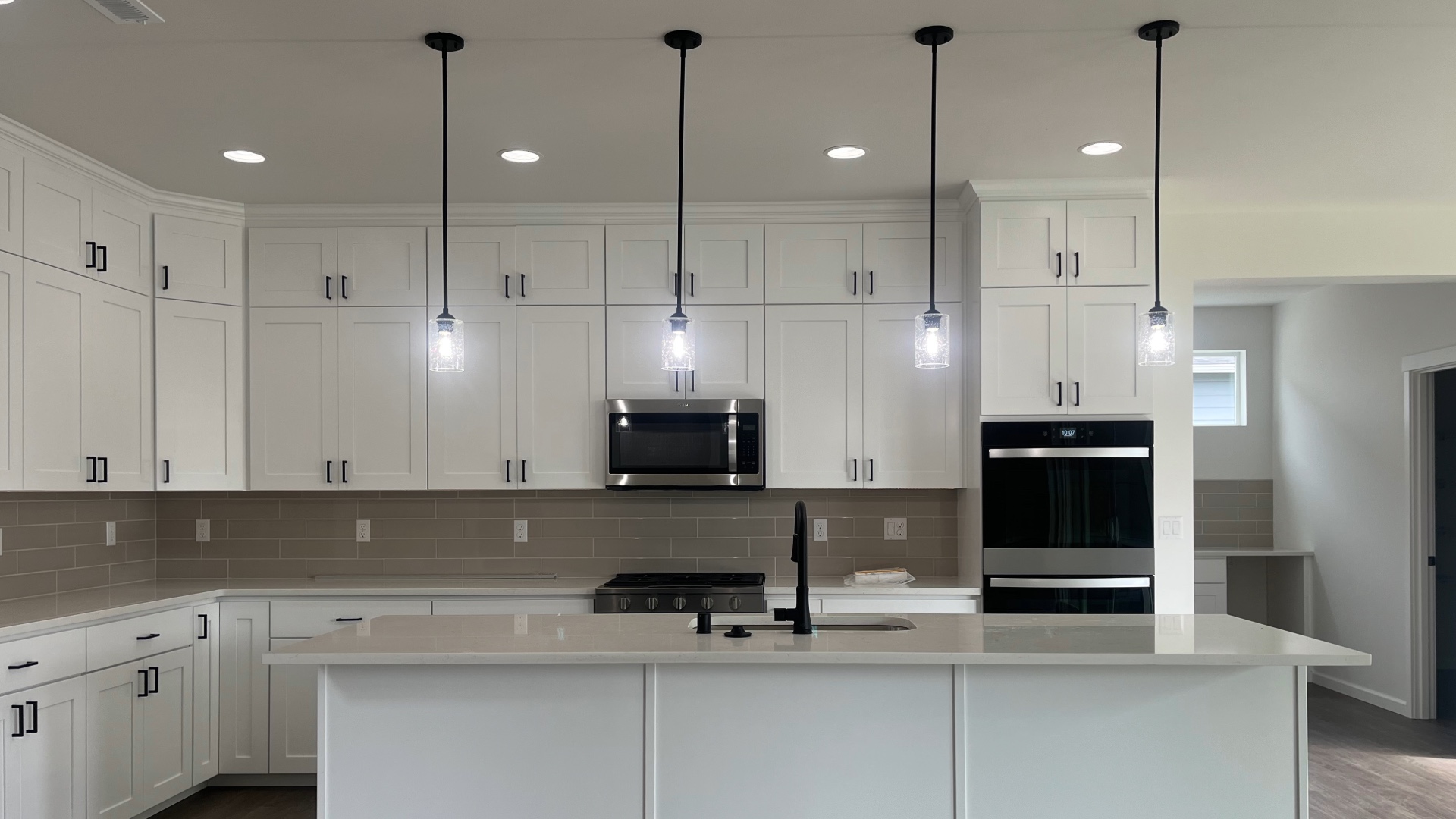
Builder incentives and thoughtful financing can create opportunities—when the full numbers work.
Buying new construction today deserves a closer look, especially if you’re weighing the purchase price against your monthly payment and the cash you’ll need at closing.
In October 2026, 65% of builders surveyed nationally reported offering sales incentives, and 43% reported cutting prices. Those figures point to opportunities worth exploring, although they don’t establish what any particular builder in South King or Pierce County will offer.
My approach: look at the home, the incentive package, and the financing together. A compelling offer should fit your budget beyond move-in day.
Understand What the Seller Incentive Actually Does
With new construction, the builder is typically the seller. When reviewing an offer, ask for a written breakdown of each incentive, its restrictions, and its expiration date. Here are the questions I recommend bringing to the conversation:
- Closing-cost assistance: Which expenses will the credit cover, and how much cash will you still need?
- Mortgage assistance: Is the advertised payment based on a temporary buydown, discount points, or an adjustable-rate loan?
- Included upgrades: Are the features you want included in the contract price?
- Price flexibility: Is a lower purchase price available as an alternative to the advertised package?
Compare the financing offer with an outside lender’s Loan Estimate. The Consumer Financial Protection Bureau confirms that buyers can shop around rather than use a builder’s associated lender. Ask the builder to explain how choosing another lender would affect its offer.
Know the Difference Between a “Buy Down” and an ARM
A temporary buydown uses money set aside upfront to subsidize payments during the early part of the mortgage. It does not change the underlying mortgage note. When the subsidy ends, you’re responsible for the payment required by the loan’s terms. For loans covered by Fannie Mae’s guidance, borrowers must qualify at the note rate rather than the temporarily reduced payment rate. (Source Fannie Mae)
An adjustable-rate mortgage, or ARM, works differently: the loan’s interest rate itself can change. Many ARMs begin with an introductory rate that stays in place for a set period before adjusting at specified intervals. That starting rate may be lower than a comparable fixed-rate mortgage.
Before comparing advertised payments, make sure you understand which structure you’re looking at.
Why an ARM Could Be the Right Choice
An ARM is worth evaluating when its initial savings are meaningful and you have room in your budget for future changes.
For example, if you expect to own the home for a limited period, an introductory fixed-rate period that aligns with your plans may be useful. Lower initial payments could also help you preserve savings. Those are reasons to compare an ARM—not guarantees that it will cost less over your actual ownership period.
The critical question is whether you could keep the home and afford the mortgage if your plans changed. The CFPB cautions buyers against assuming they can sell or refinance before an adjustment. Your home’s value, financial circumstances, and available loan options could change.
Ask your lender to explain:
- When the first adjustment occurs and how often later adjustments happen.
- The index and margin used to calculate your adjusted rate.
- The limits on the first adjustment, later adjustments, and lifetime increases.
- The highest possible payment under the loan terms.
Rate caps limit adjustments; they don’t eliminate payment risk. Have the lender calculate the maximum payment before deciding whether the introductory savings justify that uncertainty.
Compare the Full Cost Before You Commit
Put your options side by side: purchase price, cash to close, loan fees, initial payment, and future payment exposure. Include property taxes, homeowners insurance, mortgage insurance when applicable, and any HOA dues in your household budget. Comparing multiple Loan Estimates helps reveal differences that an advertised interest rate alone cannot show.
For a home still under construction, also ask when your deposit is refundable and how the contract addresses financing and inspections. The CFPB specifically recommends reviewing deposit terms before committing to an unbuilt home.
If you’re considering new construction in South King or Pierce County, contact me to talk through your priorities and compare the homes you’re considering. I’ll help you organize the questions to bring to the builder and your lender so you can make an informed decision.
Emelie Ortiz | Windermere Real Estate
emelieortiz.com | 206.519.7436
Equal Housing Opportunity
