
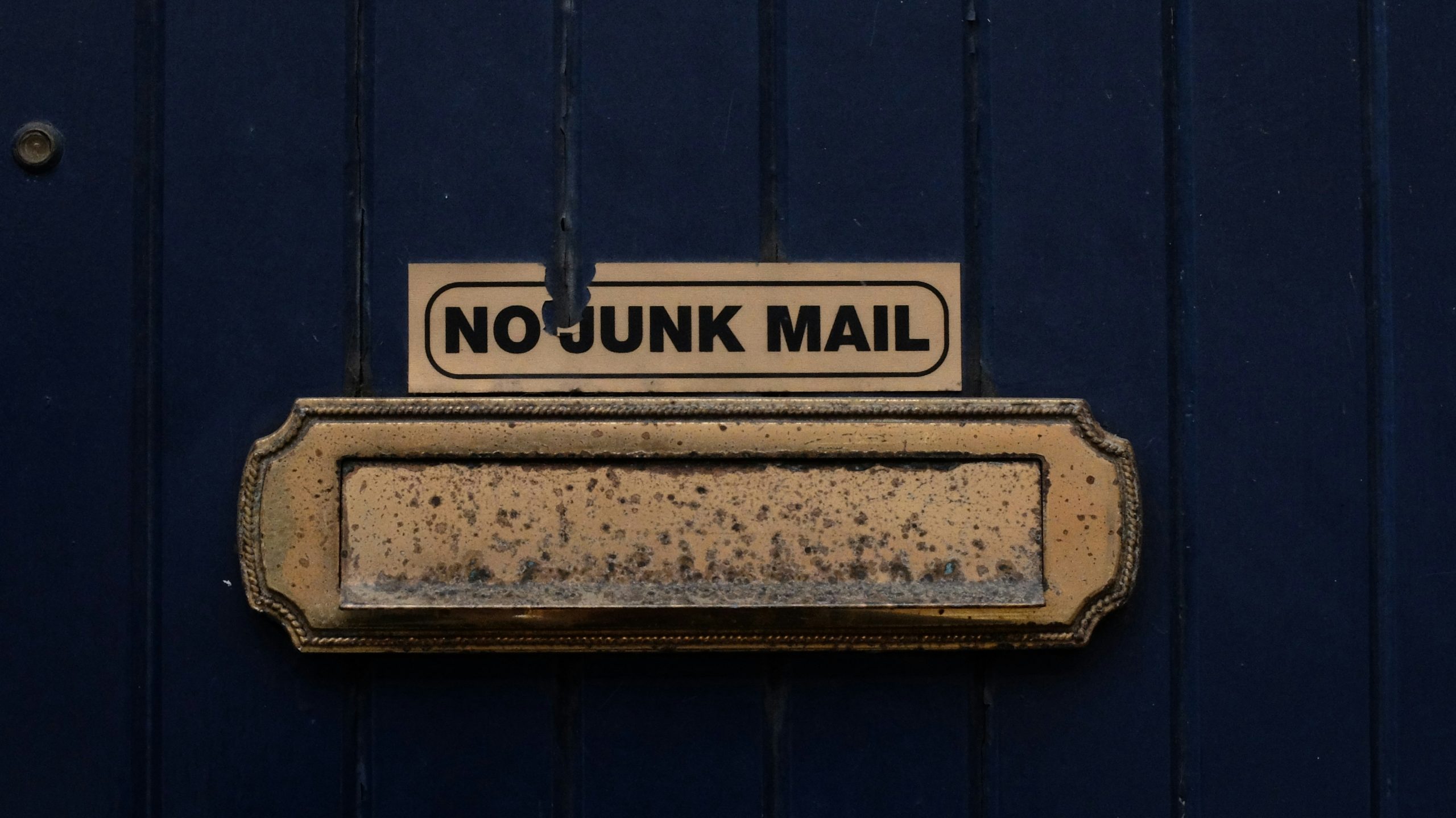
How to Stop or Reduce Junk Mail
Here’s a guide to help you reduce or stop junk mail filling up your mailbox. Whether it’s piles of offers, catalogs, or random marketing postcards, you’re not alone — and there are good steps you can take.
Why it matters
-
Junk mail isn’t just annoying — it’s expensive and wasteful. According to Eco‑Cycle, roughly 4 million tons of junk mail go into U.S. landfills every year.
-
The process of producing paper for junk mail has a big environmental footprint: trees, energy, transport. Eco-Cycle
-
It also steals time: every piece you have to sort through takes a little of your day.
-
The good news: you can dramatically reduce the volume of unsolicited mail you receive by proactively managing your preferences and “opt-outs.”
Step-by-step: How to reduce your junk mail
Here’s a clear sequence you can follow. You don’t have to do all at once, but the more you do, the bigger the impact.
1. Opt-out of pre-screened offers (credit & insurance)
These are the generic offers addressed to you like “PRE-APPROVED CREDIT CARD” or “INSURANCE QUOTE” that many of us toss without reading.
-
Go to OptOutPrescreen.com (operated by the major credit bureaus) or call 1-888-5-OPT-OUT (1-888-567-8688).
-
You’ll be able to opt out for five years or permanently.
-
Note: You’ll need to provide your name, address, possibly SSN or DOB (optional) to verify your identity.
Tip: Mark your calendar for “in 2-3 months I’ll check how many of those are still coming”. It typically takes some time for the lists to be updated.
2. Opt out of most marketing-mailing lists
Beyond credit offers, many catalogs, direct-mail ad flyers, and so on come from marketers and catalog companies. You can reduce those:
-
Visit Data & Marketing Association’s Mail Preference Service via DMAchoice.org. You can register to have your name removed from many mailing lists.
-
Some other services: you may also use free catalog-opt-out services like Catalog Choice (via their website) or apps that help you opt out of physical mail. StopWaste
-
Also: when you get a catalog or offer you don’t want, you can contact the sender and ask to have your name removed from their list. Department of Environmental Conservation
3. Use your postal service’s “refuse” or “remove me” options
If you receive mail addressed to you that you don’t want, or if you see repeat mail for names that don’t live there:
-
According to the United States Postal Service, you can check the box behind the delivery notice saying “Refused”, sign by the “X”, and place it back in your mailbox. That helps stop further delivery of that piece (for example, if it was forwarded or mis-addressed). USPS FAQs
-
For unaddressed bulk mail (“Current Resident”, “Or Current Occupant”), you can also ask your carrier or local office about whether you can register a “opt out of unaddressed advertising mail” for your address. Some local jurisdictions or postal providers have options for that.
4. Adjust your behavior and subscriptions
-
Don’t automatically sign up for things you don’t really need (e.g., random “free magazine” offers) — sometimes your name gets circulated. Department of Environmental Conservation
-
If you subscribe to something (a magazine, a book club, etc.), ask that your name not be given to third-party mailing lists. Department of Environmental Conservation
-
When you move or change address, ensure your old address isn’t still associated with you on multiple lists.
5. For what still slips through: handle it smartly
-
After doing the big opt-out efforts, some junk mail may still come. Treat these as “cleanup”:
-
Write to or call the sender directly: “Please remove my name/address from your mailing list.”
-
If addressed generically (“Current Resident”) and you want to stop it: contact the mailer and request no more, or ask your postal carrier about the unaddressed mail opt-out.
-
-
Recycle the unwanted junk mail rather than let it pile up → cuts clutter and waste. (Though of course prevention is best.) Department of Environmental Conservation
Useful links & tools
-
OptOutPrescreen.com → for pre-screened credit/insurance offers
-
DMAchoice.org → for broader direct-mail marketer lists
-
CatalogChoice.org → for unwanted catalogs (if active)
-
USPS “Refuse” instructions → ask local office for unaddressed mail opt-out
-
Apps/services like PaperKarma: these allow you to photograph junk mail you get and they attempt to contact the sender on your behalf. StopWaste
What to expect (and what not to expect)
-
Be patient: it may take 2–3 months for your efforts to show meaningful reduction. Lists update on quarterly cycles.
-
You won’t eliminate all mail — some will still slip through (especially unaddressed bulk, or items from small mailers who don’t use the big lists).
-
But you can dramatically reduce the volume and regain control of your mailbox.
-
Bonus: Less junk mail = less waste, less clutter, better for you + the environment.
