
 Facebook
 X
X
 Pinterest
 Copy Link
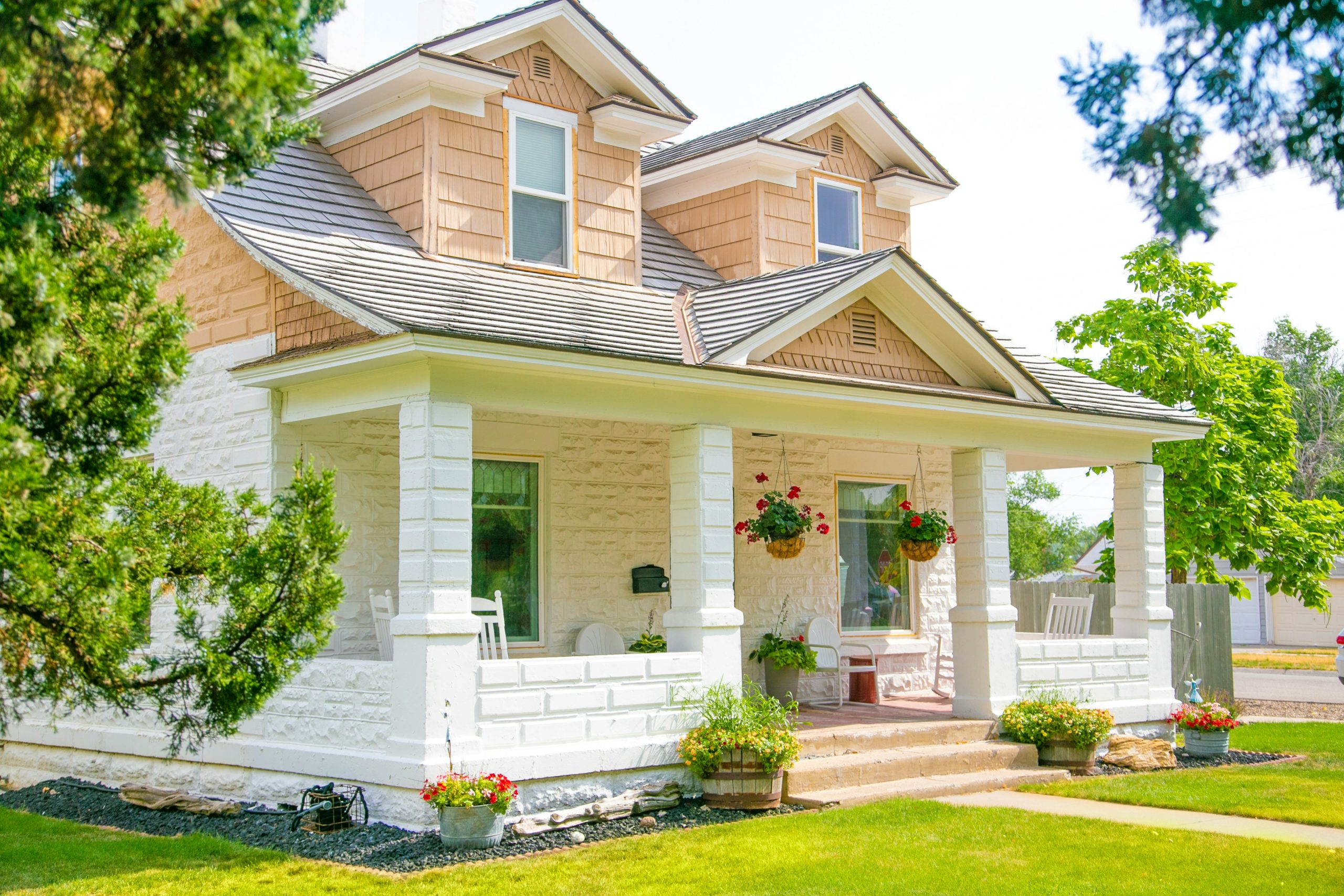
Pricing a home is both an art and a science. Yet one of the most common—and costly—mistakes sellers make is listing their home too high. Overpricing doesn’t just delay a sale; it can actually cost you money in the long run.
Understanding why sellers overprice their homes is the first step toward overcoming it and setting yourself up for a successful sale.
1. Emotional Attachment
For many sellers, a home isn’t just a property—it’s where milestones happened. First steps, holidays, late-night conversations, years of memories. That emotional value can unintentionally translate into a higher asking price.
How to overcome it:
Shift the mindset from home to product. Buyers don’t know your memories—they’re comparing your home to others on the market. Leaning on objective data, such as recent comparable sales, helps remove emotion from the equation and focus on market reality.
2. Online Estimates Create False Confidence
Automated home valuation tools are everywhere, and while they’re convenient, they often lack context. They don’t account for condition, upgrades, location nuances, or current buyer demand.
How to overcome it:
Use online estimates as a starting point—not the final word. A professional market analysis that considers real-time data and buyer behavior will give a much clearer picture of what your home can actually sell for.
3. “We Can Always Reduce the Price Later”
This is one of the most common assumptions—and one of the most damaging. The first few weeks on the market are when buyer interest is highest. Starting too high means missing your best window.
How to overcome it:
Price strategically from day one. Homes that are priced correctly often attract more interest, stronger offers, and can even sell for more due to competition. Price reductions later can signal to buyers that something is wrong.
4. Chasing the Highest Sale in the Neighborhood
It’s tempting to anchor to the highest-priced sale nearby, especially if that home looks similar on paper. But small differences—timing, condition, upgrades, lot placement—can significantly impact value.
How to overcome it:
Focus on relevant comparables, not just the highest ones. A well-priced home aligned with today’s market conditions will outperform an overpriced one every time.
5. Fear of Leaving Money on the Table
Many sellers worry that pricing lower means settling or missing out. Ironically, overpricing often leads to longer days on market, multiple price reductions, and lower final sale prices.
How to overcome it:
Trust the strategy. Proper pricing creates momentum, attracts serious buyers, and often results in cleaner negotiations. The goal isn’t just to list high—it’s to sell well.
The Bottom Line
Overpricing a home is rarely intentional—it usually comes from emotion, misinformation, or fear. The good news? All of these can be addressed with the right guidance, data, and strategy.
A successful sale starts with understanding the market, pricing with intention, and positioning your home to stand out from day one. When price aligns with value, everything else falls into place.
